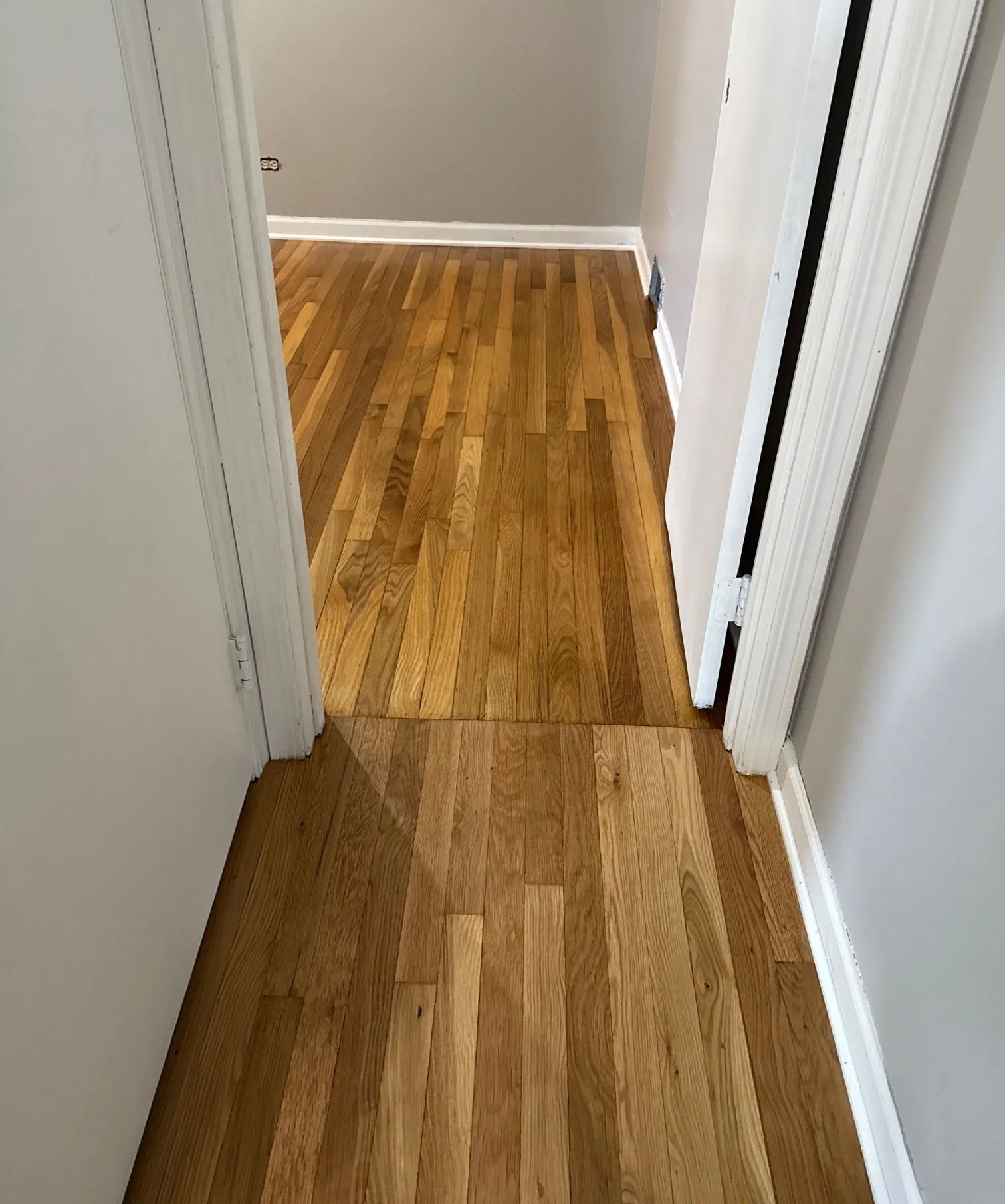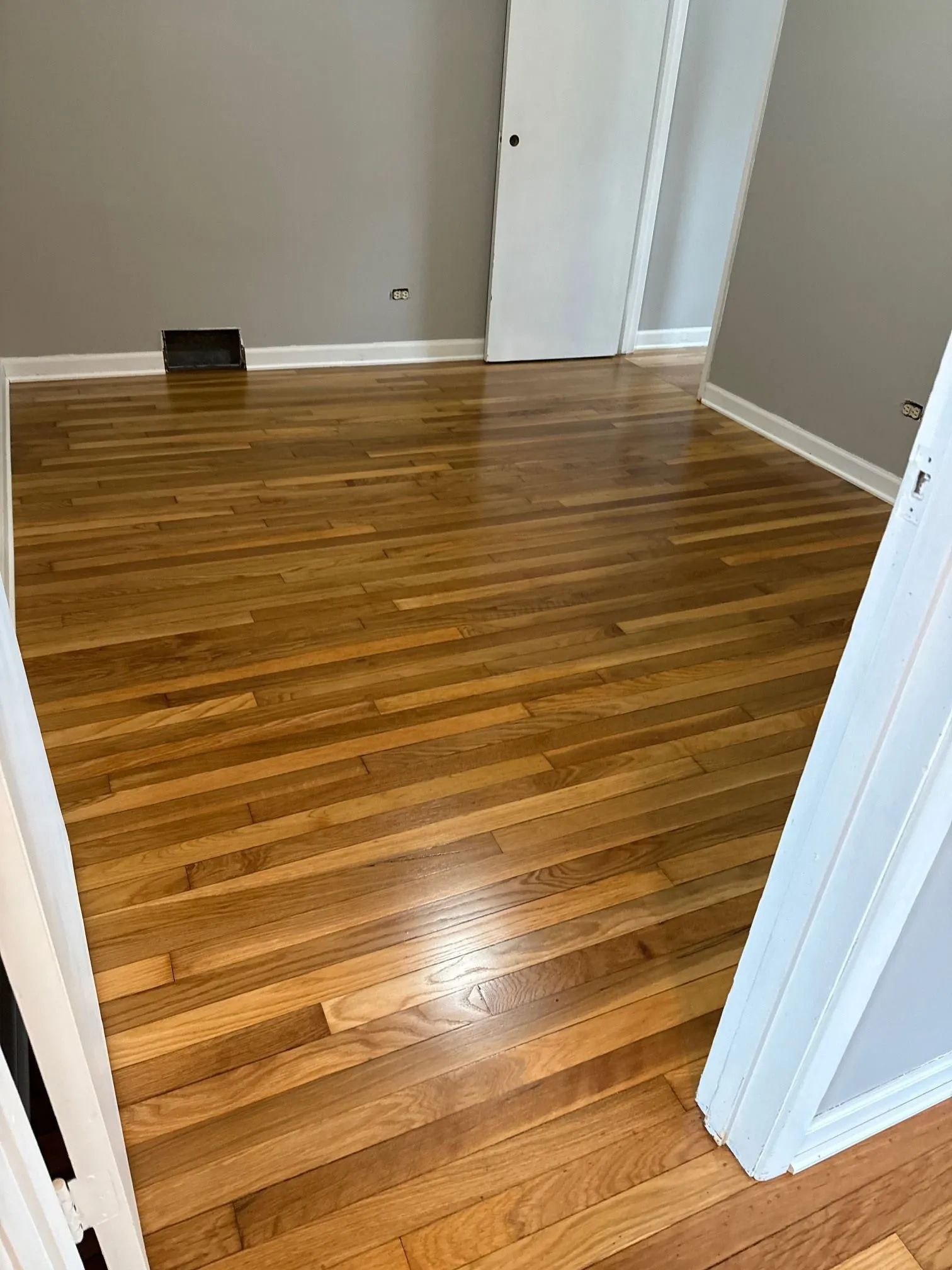
Why Are My Hardwood Floors Suddenly Squeaking?
Quick Answer: A hardwood floor that starts squeaking out of nowhere is almost always telling you something changed underneath it — either the wood itself shrank or swelled with a shift in humidity, the fasteners holding the boards down worked loose over time, or the subfloor separated slightly from the joists below. The sound is friction: two surfaces that used to sit tight against each other now rub when weight passes over them. Most squeaks are fixable without tearing up the floor, but the right fix depends on finding the exact spot and cause first.
You've walked across that same hallway a thousand times without a sound, and now suddenly there's a spot that chirps every time someone steps on it. It didn't used to do that. Nothing fell on it, nobody dropped anything heavy, and the floor looks completely normal. So what changed?
The honest answer is that something moved. Wood floors are never perfectly static — they're living material that reacts to temperature, moisture, weight, and time. A squeak that shows up seemingly overnight is usually the result of a slow process finally crossing a threshold, not a sudden failure. Once you understand what's happening beneath the surface, the noise stops being mysterious and starts being a diagnostic clue.
The Real Reason Your Floor Started Talking Back
Every squeak comes down to friction between two building components that are supposed to stay locked together: floorboard against floorboard, floorboard against subfloor, or subfloor against joist. When those layers are fastened tightly, weight transfers through the structure without any movement at all. When a gap opens up — even a fraction of a millimeter — foot traffic causes tiny amounts of flex, and that flex creates the rubbing sound you hear.
What makes squeaks feel sudden is that the gap usually grows gradually until it crosses a tipping point. A nail that's been slowly backing out of a joist for two years doesn't make noise until it finally clears enough wood fiber to wiggle. A board that's been drying out all winter doesn't squeak until the shrinkage finally separates it from its neighbor. You didn't cause the problem overnight. You just noticed it once it got loud enough to hear.
Seasonal Humidity Swings Are Often the Hidden Trigger
If you live anywhere near Chicago's north and west suburbs, your hardwood floor experiences a much wider humidity range over the course of a year than floors in more temperate climates. That swing is one of the most common reasons squeaks appear on a schedule tied to the seasons rather than to wear and tear.
Summer Cupping and Swelling
During humid summer months, wood absorbs moisture from the air and the boards swell slightly. Edges push against each other, and in some cases the center of a board can dip while the edges rise — a condition known as cupping. That swelling can also push boards up and away from fasteners just enough to loosen the connection once the season turns.
Winter Shrinkage and Gapping
Once the furnace kicks on and indoor humidity drops through the winter, the wood gives that moisture back and contracts. Boards that were snug against each other in July can develop visible gaps by January. As the wood shrinks, it also pulls slightly away from the nails or staples holding it to the subfloor, and that's exactly the kind of movement that produces a squeak underfoot. Here's the tell: a floor that's silent all summer and starts squeaking every winter is showing you a moisture-driven pattern, not a structural failure.
Loose Fasteners: When Nails and Staples Give Up
Hardwood flooring is typically secured with nails or staples driven through the tongue of each board into the subfloor and joists below. Over years of foot traffic, seasonal wood movement, and simple metal fatigue, those fasteners can back out just enough to lose their grip. Once a nail or staple isn't holding tight, the board has just enough play to rub against the fastener shank or against the subfloor every time weight rolls over it.
This kind of squeak tends to show up in predictable places: hallways, doorways, and any spot that sees repeated, concentrated foot traffic. Rooms that barely get walked through often stay silent for decades, while the path from the bedroom to the bathroom develops a squeak within a few years simply because it's crossed thousands more times.
Rather than guessing, a professional walks the affected area slowly, applying weight heel-to-toe across a few square feet at a time, listening for exactly where the sound originates. Fastener-related squeaks usually announce themselves as a sharp, localized creak rather than a broad, spread-out noise.
Tip: Walk the squeaky area in socked feet at different times of day, and mark the exact board and the exact spot where the sound is loudest with a small piece of painter's tape. That one detail cuts real time off the diagnosis once a professional starts checking the area from above and below.
Subfloor and Joist Problems: The Structural Culprits
Not every squeak lives in the top layer of flooring. Sometimes the noise originates below, in the connection between the subfloor panels and the floor joists that support the whole structure.
Gaps Between Subfloor and Joists
Plywood or OSB subfloor panels are nailed or screwed down to the joists during construction, and over time — especially in older homes — those fasteners can loosen the same way flooring fasteners do. When a gap opens between the subfloor and the top of a joist, the subfloor flexes downward slightly under weight and then springs back once the weight passes, and that tiny up-and-down motion is what makes the sound.
Joist Deflection Over Long Spans
In some cases the joists themselves are doing more flexing than they should, particularly over long unsupported spans or in areas where blocking between joists is missing or was never installed. This kind of squeak tends to be broader and less localized than a single loose fastener. You might even feel a slight bounce underfoot, not just hear the noise.
How a Pro Diagnoses the Squeak
A professional doesn't start pulling up boards on a guess. The process usually starts from above: walking the floor to pinpoint the exact location, checking whether the noise moves with a specific board or stays tied to a specific spot regardless of which board is stepped on, and testing whether the sound changes with weight distribution.
If there's access from below — a basement ceiling, a crawlspace, or an unfinished area — that's often the most effective vantage point. A helper walks the floor above while the professional watches the subfloor and joists from underneath, looking for visible flex, gaps, or movement right at the moment the squeak occurs. This bottom-up view usually identifies the exact fastener or gap responsible far faster than working blind from the top.
Older homes with plank subfloors instead of plywood sheets, or additions built at a different time than the original structure, often show more of these structural quirks simply because of how they were originally framed.
Warning: Don't drive screws or nails into your hardwood floor from above without knowing exactly what's underneath. Blindly securing a squeak from the top can hit a water line, an electrical run, or in-floor heating tubing in some homes, and it can also drive a fastener at the wrong angle and split a board that was otherwise fine. Locate the joist and confirm what's below before any fastener goes in from the top.
Fixing It From Above
Once the exact board and joist location are confirmed, a from-above repair typically uses a specialized breakaway screw system designed for finished hardwood. The screw is driven through a pilot hole at a slight angle into the subfloor and joist below, and it's engineered to snap off cleanly below the wood surface once it reaches full tension. The resulting hole is small enough to fill with matching wood putty or a color-matched wax stick, and once it's buffed level you'd have to know exactly where to look to find it.
This method works well when the loose connection is close enough to the surface to reach with a properly angled screw, and it's often the least invasive option because it doesn't require any access from underneath the house.
Fixing It From Below
When there's access to a basement or crawlspace, working from underneath gives more control and doesn't touch the finished floor surface at all. A gap between the subfloor and a joist can be closed with a glued wood shim tapped snugly into place, sometimes reinforced with a screw driven up through the joist into the subfloor. Where blocking is missing between joists, adding solid blocking can reduce deflection across a longer span and quiet down a broader squeaky area rather than just one board.
This approach tends to be the better call for structural squeaks tied to joist movement, since it addresses the support system directly instead of just re-securing the top layer.
When Board Replacement Is the Right Call
Sometimes a board has cracked or warped badly enough that it won't pull back into a tight, quiet fit no matter how it's fastened. Replacing that one board is the more durable answer in that case. This is less common than a simple fastener or shim repair, but it comes up in older floors where a board has taken enough seasonal movement over the years that the wood fibers around the fastener holes have worn out and no longer hold a new screw or nail securely.
Keeping the Squeak From Coming Back
Since so many squeaks trace back to humidity-driven wood movement, keeping indoor conditions steady through the year goes a long way toward preventing new ones from developing. A whole-home humidifier running through the winter heating season and reasonable ventilation or dehumidification through the humid summer months keep the wood's moisture content closer to stable, which means less expansion and contraction putting stress on fasteners and joints. Area rugs in high-traffic zones can also cushion repeated impact in the spots that see the most daily wear.
Frequently Asked Questions
Does a squeaky floor mean something is structurally wrong with my house?
Not usually. Most squeaks come from a loose fastener or seasonal humidity gap, both mechanical rather than structural. Visible sagging, a noticeable slope, or a springy bounce warrant a closer look.
Why does the squeak only happen in winter?
Winter heating dries indoor air, and hardwood shrinks in response, opening tiny gaps between boards and fasteners. The squeak often quiets in spring, though the loose fastener still needs actual repair.
Can I fix a squeaky floor myself?
Simple, well-located squeaks near an accessible joist can sometimes be fixed with a basic screw kit. A misplaced screw can crack a board or hit hidden wiring, so confirm with a professional first.
Will refinishing my floors stop the squeaking?
Refinishing addresses the surface finish, not the fastening or structural issues underneath causing the noise. A freshly refinished floor can still squeak, since sanding and coating don't touch movement below the surface.
Finding the Fix Behind the Noise
That new squeak isn't dangerous, and it isn't going to fix itself either. It's a pinpoint problem, one loose fastener, one dried-out gap, one section of joist, and once someone locates it, the repair is usually smaller than the noise makes it sound. Understanding what's happening beneath the surface turns a mysterious chirp into a simple diagnostic clue, and most floors can be quieted without ever tearing up a board.
With over several
years of experience, Ada Hardwood Flooring Inc.
serves Aurora, CO homeowners by walking the floor from above and, where access allows, checking the subfloor and joists from below to find the exact source rather than guessing at a fix. Squeaks tend to get more noticeable the longer they're left alone, and catching a loose fastener or subfloor gap early keeps the repair simple instead of letting it spread to neighboring boards.