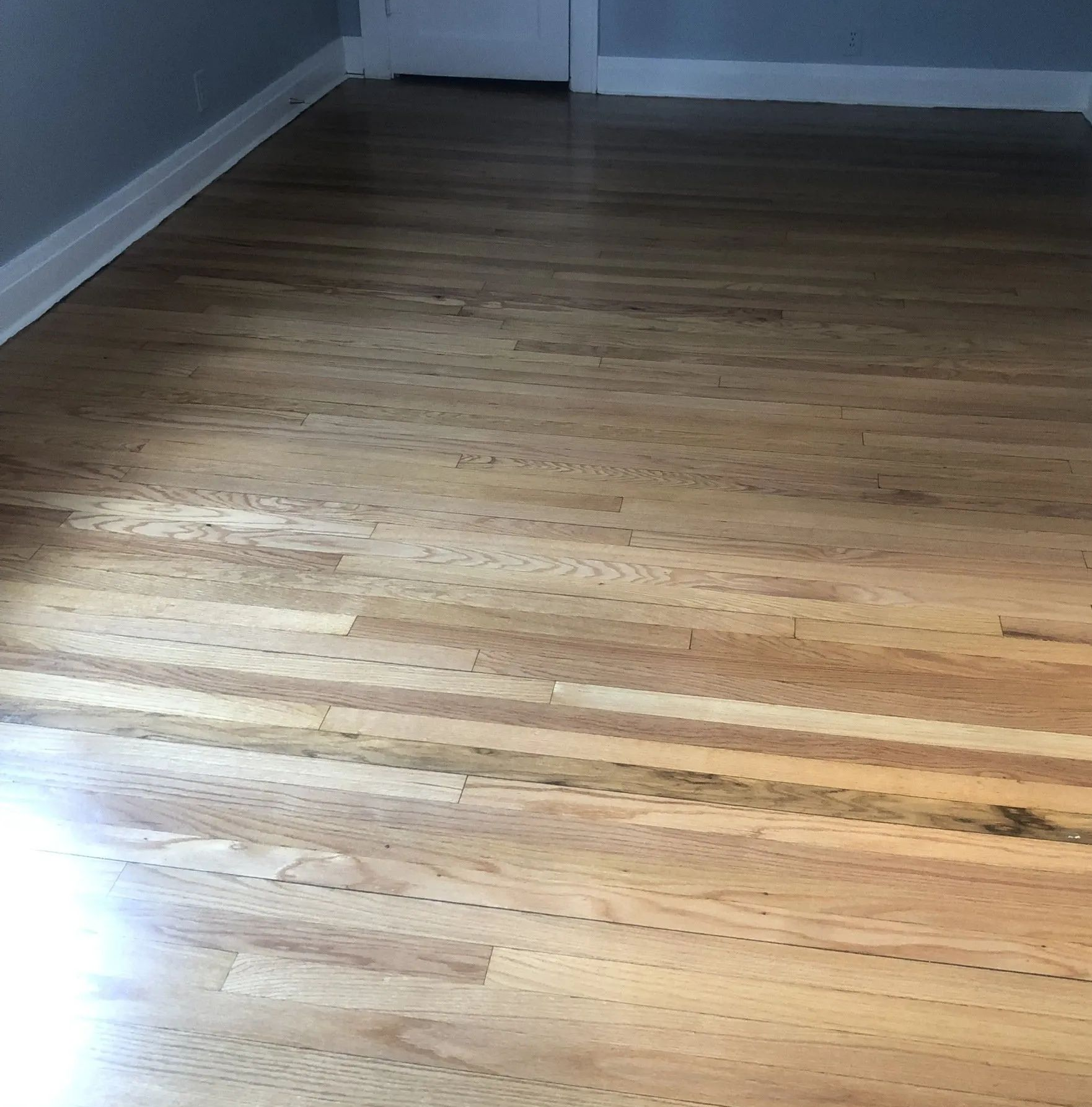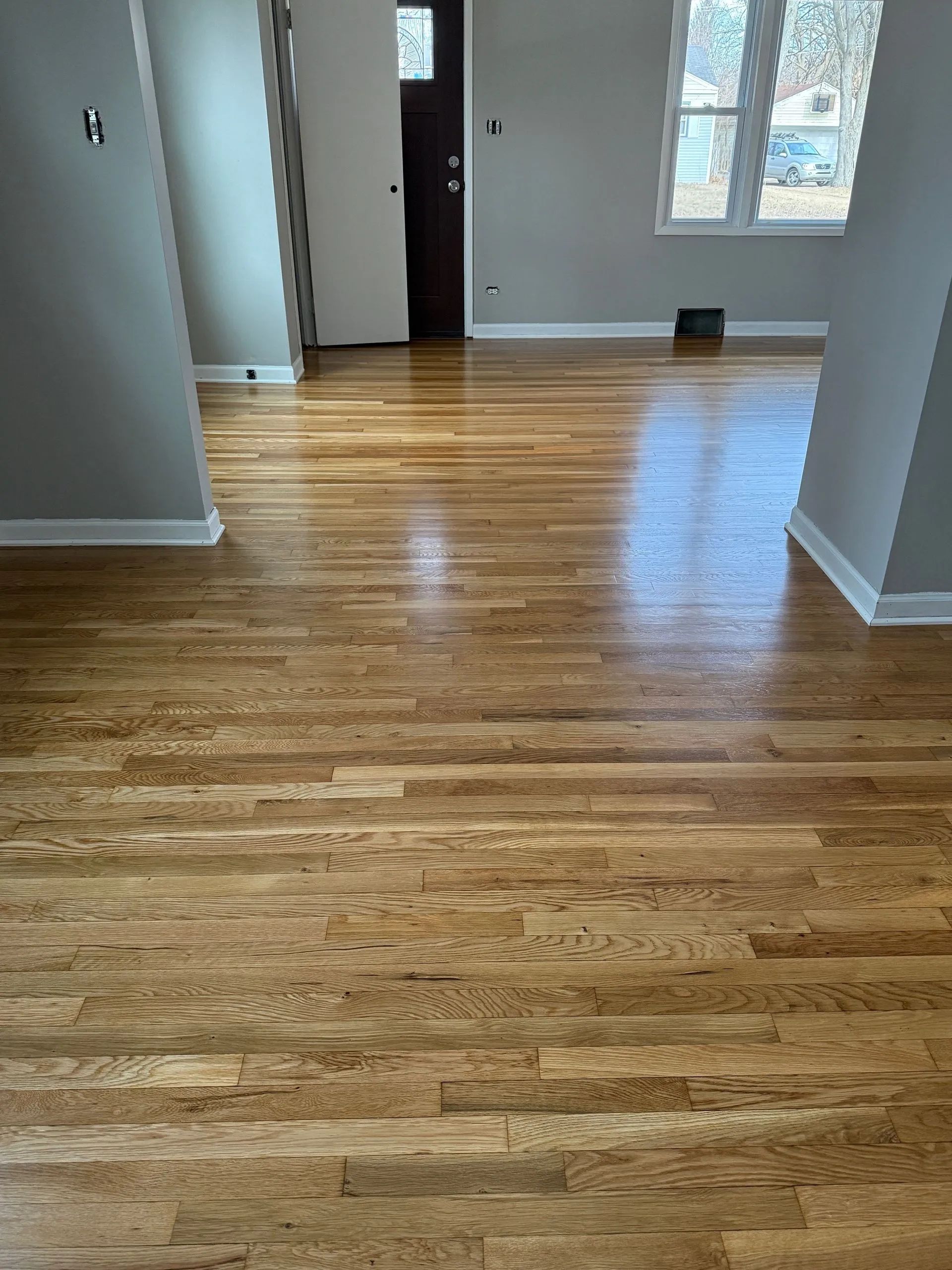
Hardwood Floors Cupping or Bowing in Summer? Why Humidity Is the Cause
Quick Answer: Hardwood floors cup or bow in summer because the boards absorb more moisture on their underside than their top, so the edges swell and rise higher than the centers. Humid summer air, a damp basement or crawlspace, or a moisture source under the floor are the usual causes. In many cases the cupping eases on its own once the moisture is controlled and the wood dries back to balance. Sanding flat too early just creates the opposite problem later, so the moisture has to be fixed first.
You walk across your hardwood floor in July and notice the boards no longer feel flat. The edges of each plank are raised, the surface has a subtle washboard ripple under your feet, and in the right light you can see the waviness running across the room. It looks like the floor is warping, and the worry sets in that your beautiful hardwood is ruined.
In most cases, it is not ruined at all. What you are seeing is called cupping, and it is the wood doing exactly what wood does: responding to moisture. Hardwood is a natural material that swells when it takes on moisture and shrinks when it loses it, and cupping is the visible result of an imbalance between the top and bottom of the boards. Understanding why it happens, especially in a humid Chicago-area summer, is the key to fixing it correctly instead of making it worse. Here is what is really going on under your feet.
What Cupping Actually Is
Cupping is a specific pattern, and recognizing it tells you a lot about the cause.
When a board cups, the edges rise higher than the center, so each plank takes on a slightly concave shape across its width, like a very shallow trough. Run your hand across the floor and you feel a gentle ridge at every board joint. This is different from crowning, where the center is higher than the edges, and different from buckling, where boards lift off the subfloor entirely. Cupping is the most common of the three, and it is almost always about moisture.
Here is the mechanism. Wood absorbs and releases moisture from the air and from whatever it is in contact with. When the underside of your flooring takes on more moisture than the top side, the bottom of each board swells more than the top. That uneven swelling forces the edges up and pulls the center down, creating the cupped shape. So cupping is essentially your floor telling you there is more moisture reaching the bottom of the boards than the top, and that the wood is wetter than it was when it was installed and finished flat.
Why Summer Humidity Is So Often the Trigger
Cupping shows up most in summer for a reason, and in the Chicago area the seasonal humidity swing is dramatic.
Wood flooring is installed and finished to sit flat at a certain moisture content, one that reflects normal indoor conditions. When summer brings hot, humid air, the moisture content of everything in the house rises, and the floor takes some of that on. If the humidity is high enough and lasts long enough, the boards swell and begin to cup. Come winter, when heated indoor air gets very dry, floors often shrink back and can even develop gaps, the opposite problem. That summer-swell, winter-shrink cycle is a year-round reality for hardwood in this climate, and a wide swing is what pushes a floor into visible cupping.
A few specific moisture sources tend to be behind summer cupping:
High indoor humidity
A home without air conditioning or dehumidification during a humid stretch lets indoor moisture climb, and the floor absorbs it.
A damp basement or crawlspace
This is a big one. Moisture rising from an unconditioned basement or crawlspace beneath the floor reaches the underside of the boards, which is exactly the imbalance that causes cupping. The top of the floor stays at room conditions while the bottom soaks up moisture from below.
Concrete or subfloor moisture
A subfloor that is holding moisture, or a slab releasing it, feeds the underside of the wood.
A hidden leak or spill history
A slow plumbing leak, a dishwasher or fridge line, or repeated spills can wet the floor from above or below and cup it locally.
The common thread is moisture reaching the wood unevenly. Identify where it is coming from and you have found the real problem.
Tip: Before assuming the worst, check your home's indoor humidity with an inexpensive hygrometer and take a look at the basement or crawlspace under the affected room. Indoor relative humidity that climbs well above the comfortable range, or a damp space below the floor, points straight at the moisture source. Knowing whether the moisture is coming from the air, from below, or from a leak is the single most useful thing you can find out before anyone touches the floor.
Why You Shouldn't Sand It Flat Right Away
When a floor is cupped, the instinct is to sand the raised edges down until it is smooth again. With cupping, that is the classic mistake, and it is worth understanding why.
Cupping from humidity is often seasonal and partly self-correcting. When the moisture imbalance is removed and the wood dries back toward its normal moisture content, the boards frequently flatten out substantially on their own. If you sand the cupped floor flat while it is still swollen with summer moisture, you remove material from the raised edges. Then, when the wood dries and shrinks back in drier conditions, those now-thin edges drop below the center, and you are left with crowning, the centers standing proud of the edges. You have traded one problem for a worse and more permanent one.
That is why the correct sequence is always moisture first, refinishing second. The floor needs to be allowed to dry back to a stable, balanced moisture content before any sanding, so that whatever flattening is going to happen has already happened. Only then does sanding address whatever cupping remains, on a floor that is actually flat and stable rather than mid-swing.
How the Problem Gets Fixed Properly
Fixing cupped hardwood is really about fixing moisture and then letting the wood tell you what it needs.
Find and stop the moisture source
Everything starts here. That might mean addressing high indoor humidity with air conditioning or a dehumidifier, drying out and controlling a damp basement or crawlspace, fixing a leak, or dealing with subfloor or slab moisture. Until the source is handled, any cosmetic fix will just cup again next season.
Let the floor dry and stabilize
With the moisture controlled, the wood gradually releases the excess and moves back toward its balanced moisture content. As it does, much of the cupping often relaxes on its own. This takes time and sometimes a full change of season, and patience here pays off.
Measure before refinishing
A flooring professional uses a moisture meter to confirm the wood has returned to a stable level and that the cupping has stopped changing. This measurement is what tells you the floor is ready, rather than guessing by eye.
Sand and refinish only what remains
Once the floor is dry, stable, and as flat as it is going to get on its own, any residual cupping can be sanded flat and the floor refinished. Done in this order, the result lasts, because it is correcting a stable floor rather than a moving one.
Severe cases, where boards have been saturated or cupping is extreme, may need individual board replacement, but a great many summer cupping problems improve dramatically just from getting the moisture right and giving the wood time.
Warning: Don't rush to dry a cupped floor with aggressive heat, fans aimed directly at it, or by cranking equipment to force it flat fast. Drying hardwood too quickly or unevenly can cause checking, splitting, or finish damage, turning a recoverable floor into one that needs replacement. Controlled, gradual drying that brings the whole environment back to balance is what protects the wood, which is why measuring and patience matter more than speed.
Frequently Asked Questions
Is a cupped hardwood floor ruined?
Usually not. Cupping is a moisture response, not permanent damage, and floors often flatten substantially once the moisture imbalance is corrected and the wood dries back to a stable level. Only severe, prolonged saturation tends to require board replacement. The key is fixing the moisture before doing anything cosmetic.
Why does my floor cup in summer and gap in winter?
Because wood swells with moisture and shrinks as it dries. Humid summer air raises the wood's moisture content and the boards cup; dry winter heating air pulls moisture back out and the boards shrink, sometimes leaving gaps. That seasonal swing is normal for hardwood in a climate with big humidity changes.
Should I sand the cupping flat to fix it?
Not right away. If you sand a floor while it's still swollen, the edges become thin, and when the wood dries and shrinks you end up with crowning, the centers higher than the edges. The correct order is to control the moisture, let the floor dry and flatten, then sand only what remains.
What's the most common hidden cause of cupping?
A damp basement or crawlspace under the floor. Moisture rising from below reaches the underside of the boards while the top stays at room conditions, creating exactly the imbalance that cups wood. It's one of the first places a pro looks when a floor cups without an obvious spill or leak.
How long does it take for a cupped floor to flatten out?
It varies with how much moisture the wood took on and how quickly the source is controlled. Once the moisture is fixed, flattening can take weeks to a full seasonal change as the wood re-balances. A moisture meter is used to confirm it has stabilized before any refinishing.
Can controlling humidity prevent cupping in the first place?
Largely, yes. Keeping indoor humidity in a stable, comfortable range with air conditioning or a dehumidifier in summer, and managing moisture from basements and crawlspaces, keeps the wood balanced and is the best prevention against both summer cupping and winter gapping.
Letting Your Floor Settle Back Flat
A cupped hardwood floor in summer looks alarming, but it is usually the wood reacting to too much moisture on its underside, not a floor that is destroyed. The path back is the opposite of the instinct: resist sanding, find and fix the moisture, and give the wood time to dry and relax back toward flat. Measure to confirm it has stabilized, and then refinish only what is left. Handle it in that order and the floor that rippled in July can come back smooth and stay that way.
Cupping is a moisture problem first and a sanding problem second, and refinishing a floor that's still swollen only trades cupping for permanent crowning. With over several
years of experience serving Aurora, CO, Ada Hardwood Flooring Inc.
traces the moisture source, measures the wood to confirm it has stabilized, and provides
professional hardwood floor refinishing only once your floor is truly flat. Reach out to schedule a hardwood assessment and bring your floor back to flat the right way.