Choosing the Right Hardwood Flooring for Your Home
Hardwood flooring has long been regarded as one of the most prestigious and desirable choices for home interiors. Its timeless appeal, durability, and ability to add warmth and character to any room make it a preferred option for homeowners. Whether you’re renovating your home, building from scratch, or simply looking to upgrade your floors, selecting the right hardwood flooring is a crucial decision that impacts the overall aesthetic, functionality, and long-term maintenance of your space. The wide variety of wood species, finishes, and styles available today ensures that there’s a perfect option for every taste and need.
Choosing the right hardwood flooring goes beyond simply selecting a beautiful material. It requires understanding various factors such as the type of wood, finish, maintenance requirements, and how it complements your home’s interior design. With so many choices available, making the right selection can feel overwhelming. The right choice ensures that your flooring not only enhances the beauty of your home but also stands up to daily wear and tear. This blog will explore essential factors to consider when choosing hardwood flooring, providing actionable insights to help you make an informed decision that suits both your style and practical needs, ensuring your investment lasts for years to come.
1. Types of Hardwood Flooring
Solid vs. Engineered Hardwood Flooring
When selecting hardwood flooring, one of the first decisions you'll need to make is whether to choose solid hardwood or engineered hardwood. Both have their merits, but understanding the differences will help you decide which is best suited to your home.
- Solid Hardwood: Made from a single piece of wood, solid hardwood is known for its durability and long-lasting nature. It can be sanded and refinished multiple times, which makes it an excellent choice if you anticipate future renovations or want a flooring solution that can adapt to your changing needs.
- Engineered Hardwood: Engineered hardwood is made from multiple layers of wood veneer, which makes it more stable than solid hardwood. This type of flooring is ideal for areas with fluctuating humidity levels, such as basements or kitchens, as it resists warping and shifting better than solid wood.
When choosing between the two, consider the moisture levels in your home and your budget. Solid hardwood is typically more expensive but offers a classic, authentic appeal, while engineered hardwood can offer more versatility in moisture-prone areas at a lower price point.
Wood Species
The species of wood you choose will significantly affect the appearance and performance of your hardwood flooring. Some species are more durable, while others offer a unique aesthetic.
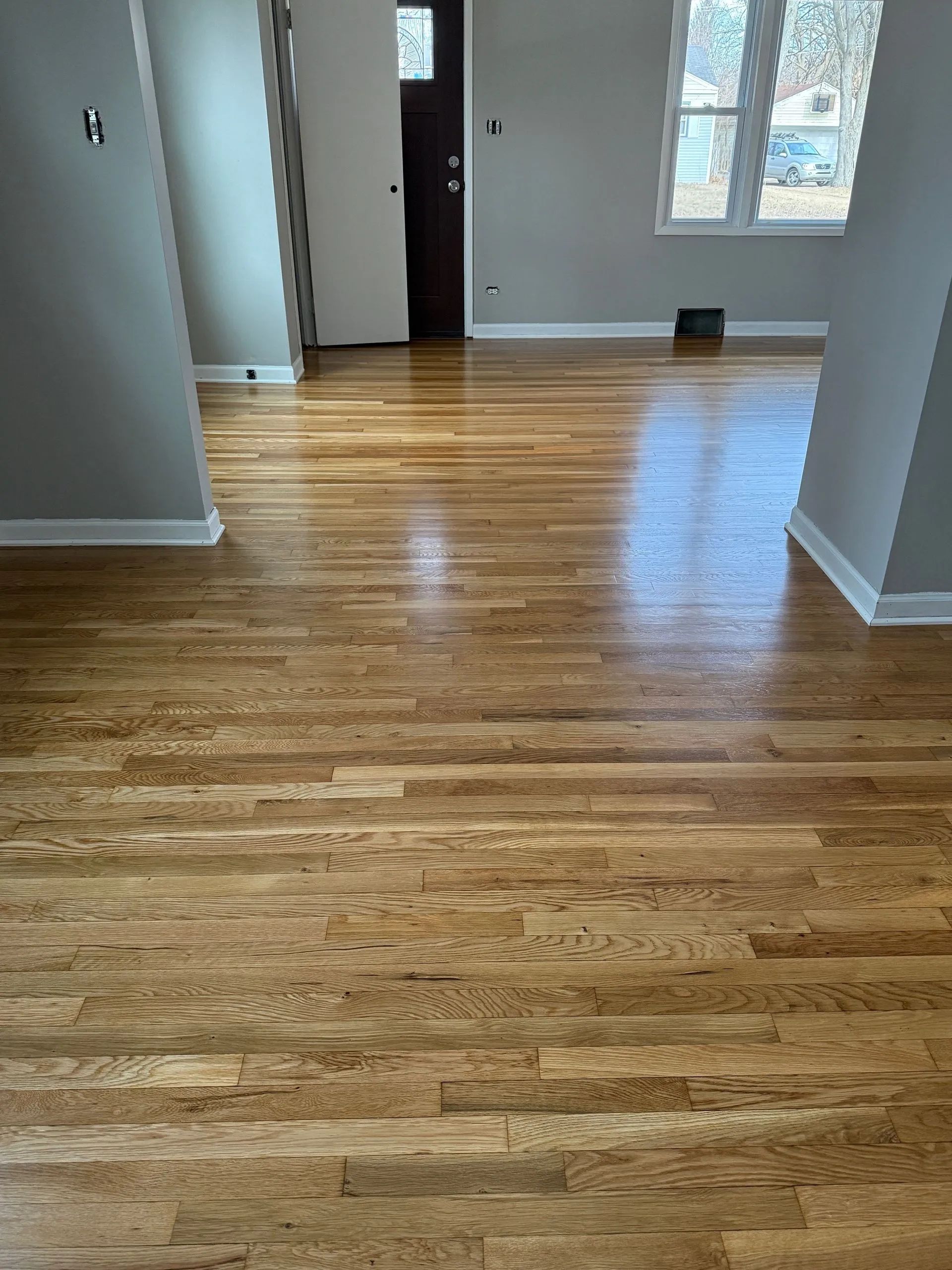
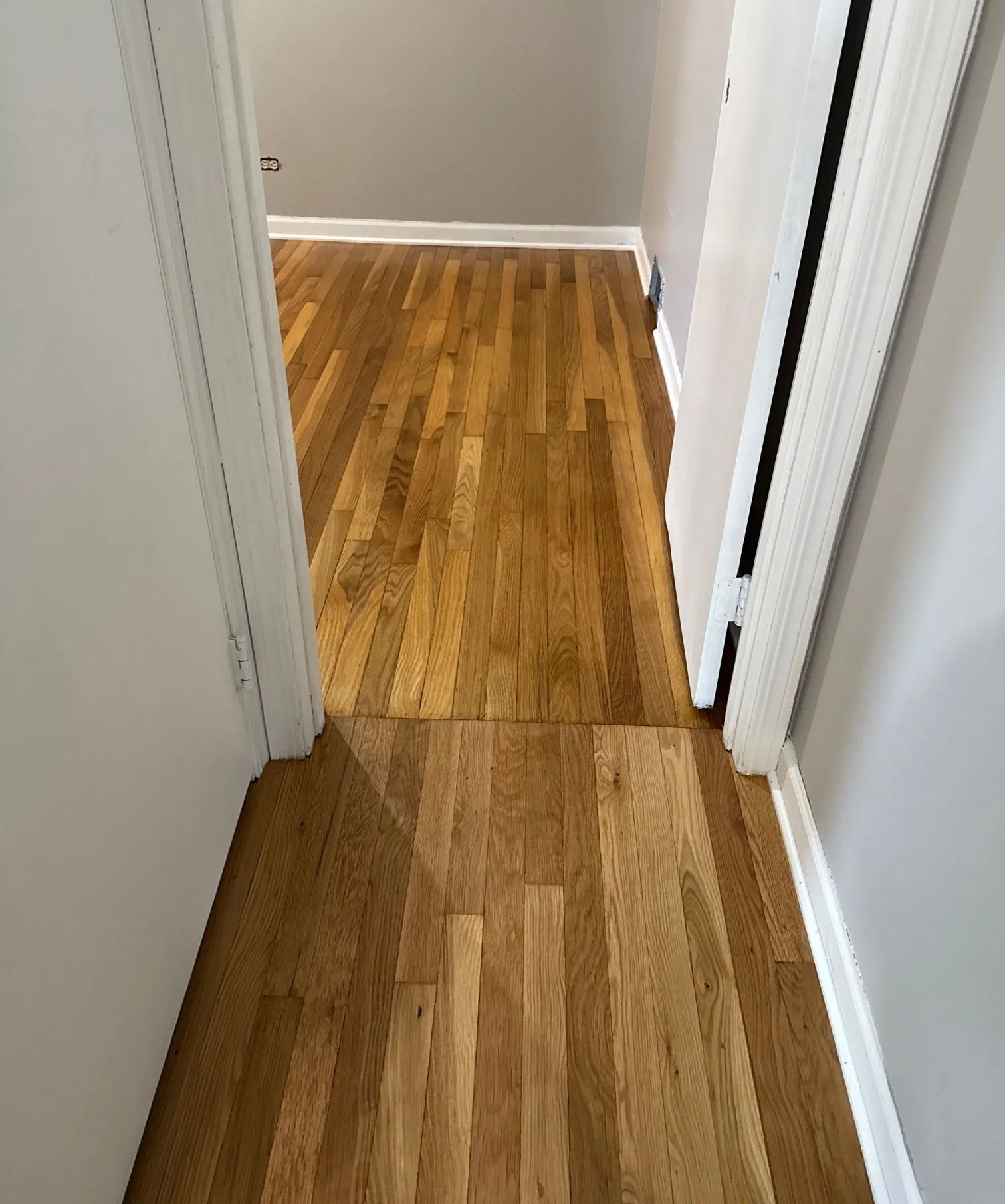
- Oak: One of the most popular choices, oak is durable, versatile, and comes in various finishes. Its grain pattern adds visual interest without being overwhelming, making it suitable for a wide range of home styles.
- Maple: Known for its smooth, subtle grain, maple is a great option for modern or minimalist designs. It’s also harder than oak, making it ideal for high-traffic areas.
- Cherry: Cherry wood has a rich, reddish-brown color that deepens over time, giving it a sophisticated, classic look. It’s softer than oak, so it may show wear faster, but it’s still a popular choice for its aesthetic appeal.
- Walnut: Known for its deep, rich color, walnut is a luxurious option for those looking for a statement piece in their home. Its dark hues pair well with contemporary and traditional designs but can be on the more expensive side.
Each wood species has its own characteristics in terms of grain, color, and durability, so it’s important to choose one that fits your lifestyle and aesthetic preferences.
2. Finishes and Textures
The Importance of Flooring Finish
The finish on hardwood floors not only enhances the natural beauty of the wood but also plays a critical role in its protection. Hardwood floors are available with several finish options, each offering different levels of durability and visual appeal.
- Polyurethane: This is one of the most popular finishes, offering a high level of protection against scratches, spills, and stains. Polyurethane finishes come in both oil-based and water-based versions, with the oil-based finishes providing a warmer look and a longer-lasting finish, while water-based finishes offer a more eco-friendly option with quicker drying times.
- Oil Finishes: Oil finishes penetrate deep into the wood, giving it a more natural look. These finishes tend to darken and develop a patina over time, enhancing the beauty of the wood. However, oil finishes are more susceptible to scratches and require regular maintenance.
Surface Texture Options
Wood flooring textures can add a layer of personality and style to your home. The two main texture types are smooth and hand-scraped.
- Smooth Finish: A smooth, polished finish gives your floors a sleek, refined appearance. It’s easy to clean and maintain but may show scratches more easily than other textures.
- Hand-Scraped Finish: A hand-scraped finish adds character and depth to the wood. This technique creates a more rustic, antique look, perfect for traditional or country-style homes. While it’s easier to hide imperfections, it may require more maintenance than a smooth finish.
When selecting your finish and texture, think about your aesthetic preferences, maintenance tolerance, and the type of foot traffic your floors will endure.
3. Choosing the Right Color for Your Hardwood Floors
The color of your hardwood floors plays a significant role in shaping the mood of your room and can complement or contrast with your existing decor. The right color choice depends on your home’s design, the space's lighting, and the overall atmosphere you want to create.
Light vs. Dark Hardwood Floors
- Light Hardwood Floors: Lighter colors, such as ash, maple, or white oak, can help brighten up a room, making it feel more spacious and airy. Light floors are great for contemporary and coastal designs, as well as small spaces. They are also easier to maintain as dust and dirt are less visible.
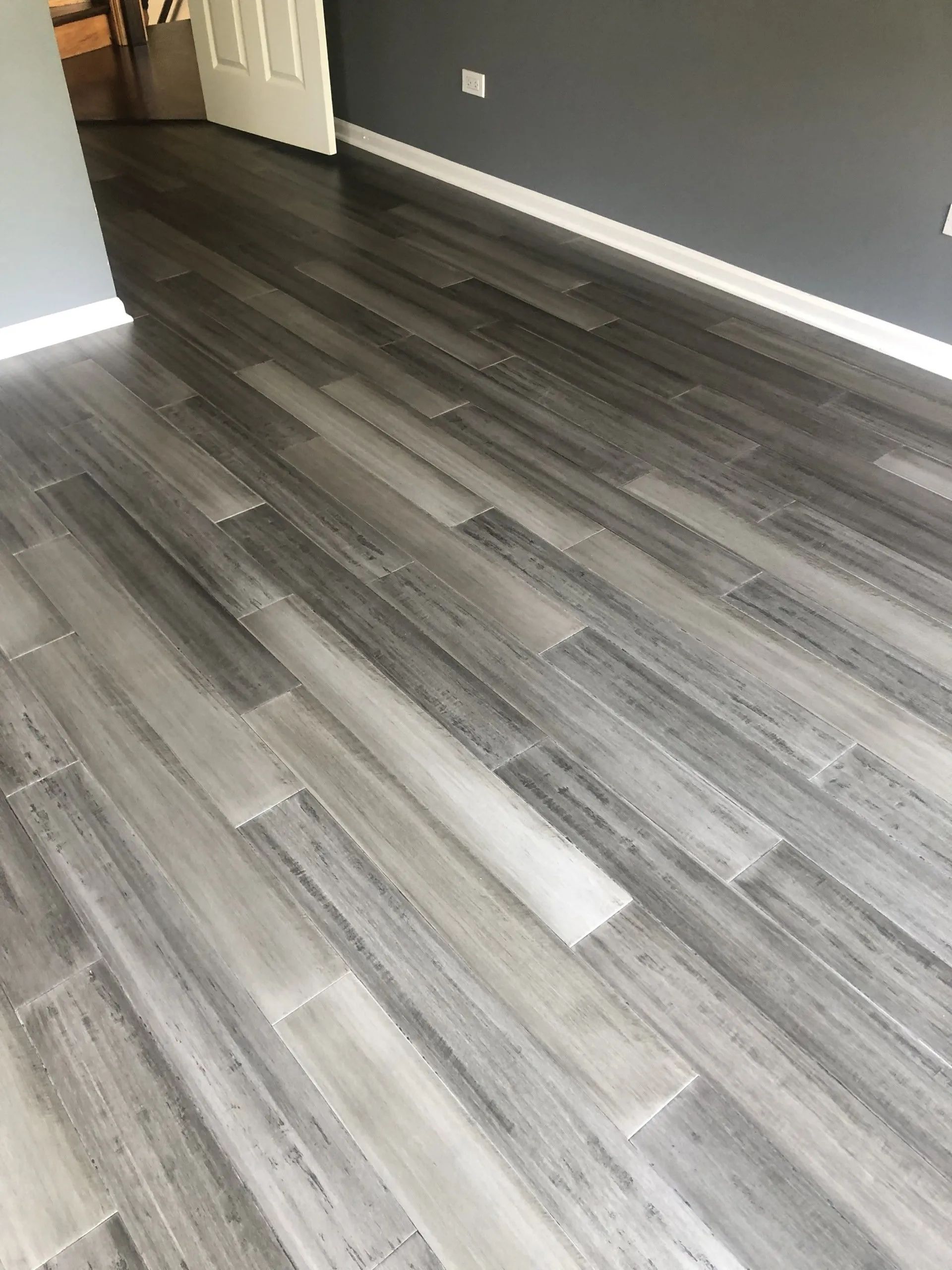
- Dark Hardwood Floors: Dark floors, like walnut or cherry, create a dramatic and luxurious look. They can make a room feel cozier and more intimate but may make a space feel smaller. However, dark floors show dust, pet hair, and dirt more easily, so they require more regular maintenance.
4. Maintenance and Durability
One of the primary factors to consider when choosing hardwood flooring is its durability and ease of maintenance. Hardwood floors can last for decades with the proper care, but different finishes and wood types may require varying levels of upkeep.
Durability
Certain species of wood are more durable than others, so it’s essential to select a material that suits your needs. For example, oak and hickory are incredibly tough and can handle heavy foot traffic, while softer woods like pine may dent or scratch more easily.
Ongoing Care
Regular cleaning and maintenance are necessary to keep your hardwood floors looking beautiful. Daily sweeping and occasional mopping with a wood-safe cleaner can help maintain the wood’s finish. Additionally, it’s crucial to periodically apply a fresh layer of protective finish to preserve the wood’s appearance and safeguard against wear.
Pet-Friendly Considerations
If you have pets, you’ll want to choose a durable wood species and finish that can withstand scratches from pet claws and spills from accidents. Certain finishes, like polyurethane, provide extra protection against pet damage, while softer woods may require more frequent refinishing.
5. Budget Considerations
Your budget will undoubtedly play a role in your decision-making process. Hardwood floors can range in price depending on the type of wood, finish, and whether you choose solid or engineered hardwood. It’s essential to balance quality and cost to find the best flooring option that suits both your aesthetic preferences and financial situation.
Additional Costs
In addition to the cost of the wood itself, consider installation and maintenance costs. Hiring a professional to install your hardwood flooring may add to your overall budget, but it ensures that the job is done correctly. Also, factor in the long-term maintenance costs associated with sanding, refinishing, and repairing your floors.
Choosing Ada Hardwood Flooring Inc.
for Quality and Expertise in Flooring
Choosing the right hardwood flooring for your home involves more than just picking a color and wood type. It’s about considering the specific needs of your space, lifestyle, and budget while ensuring the flooring complements your home’s design. Each room in your home may have different requirements, such as moisture levels in the kitchen or durability in high-traffic areas. From solid versus engineered options to understanding different finishes, textures, and wood species, making an informed decision will ensure that your hardwood floors serve you for years to come, adding both style and value to your home.
At Ada Hardwood Flooring Inc.
in Aurora, CO, we take pride in providing expertly crafted hardwood flooring solutions tailored to your unique needs. With over several
years of experience in the industry, we understand the importance of selecting the right material and finish to achieve the perfect look and feel for your home. Our team works closely with you to ensure the flooring complements your vision and functional requirements. We offer a range of high-quality hardwood flooring options, expert installation, and ongoing maintenance services to ensure your floors remain beautiful for years to come. Trust us to help you make the best choice for your home’s flooring needs and provide professional guidance every step of the way.