How Light and Color Affect the Look of Your Flooring Over Time?
When it comes to designing interiors, flooring is one of the most influential elements in shaping a room's ambiance and aesthetic. However, the appearance of floors does not remain static. Over time, natural factors such as light exposure and the interplay of colors in a space can significantly alter how your flooring looks. Understanding these effects is crucial for homeowners, interior designers, and flooring professionals alike. With careful planning, you can select materials, finishes, and layouts that maintain their beauty and durability over years of daily use.
Sunlight, artificial lighting, and even the surrounding color palette interact with flooring surfaces in complex ways. While some effects can enhance a floor’s character, others may cause fading, discoloration, or uneven tones that diminish the overall appeal. Recognizing how different lighting conditions and color schemes influence flooring can help you make informed choices that protect your investment. This knowledge ensures that your floors continue to contribute positively to your home or commercial space, preserving both functionality and visual impact for years to come.
1. The Role of Natural Light in Flooring Appearance
Sunlight Exposure and Material Sensitivity
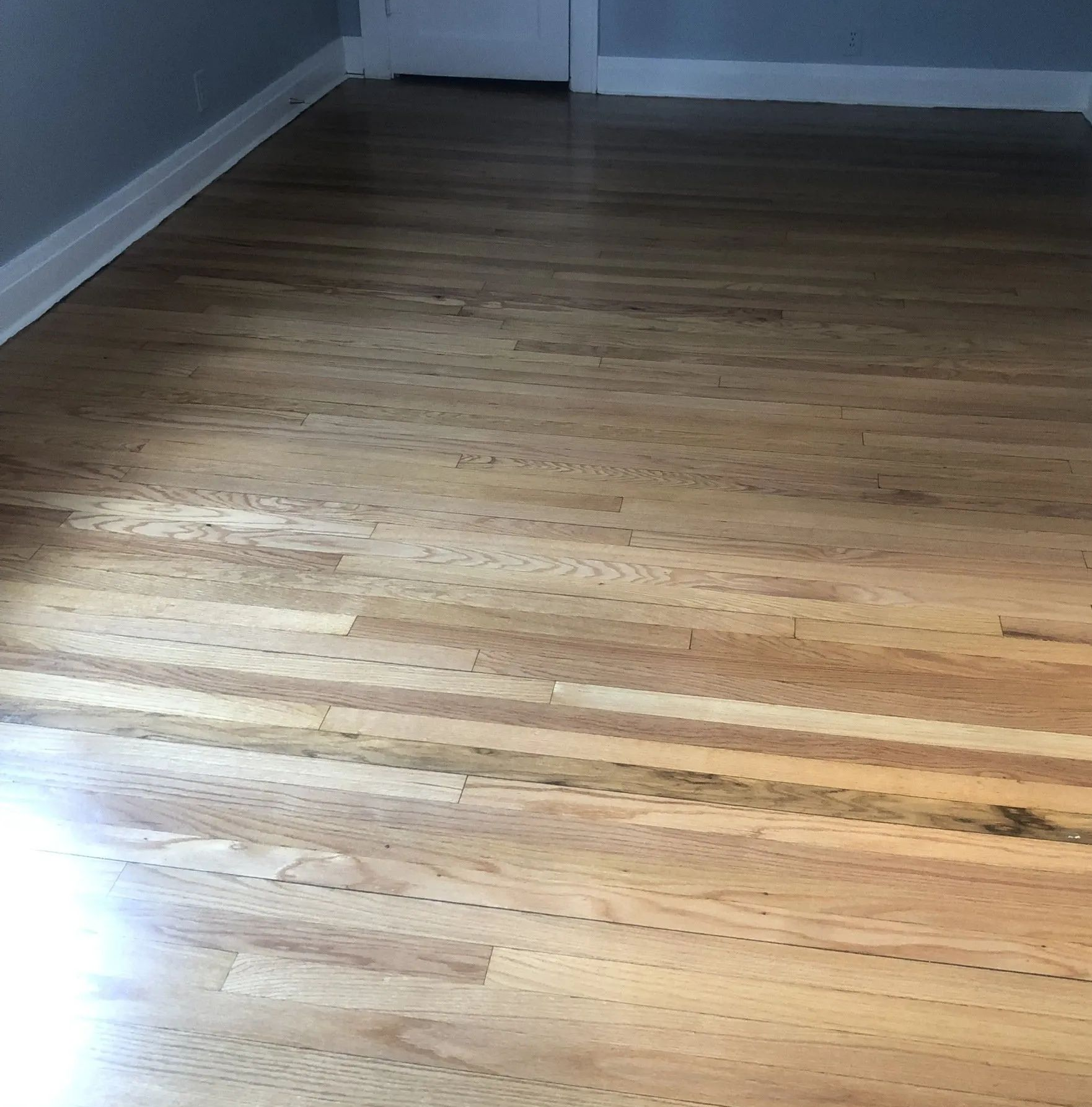
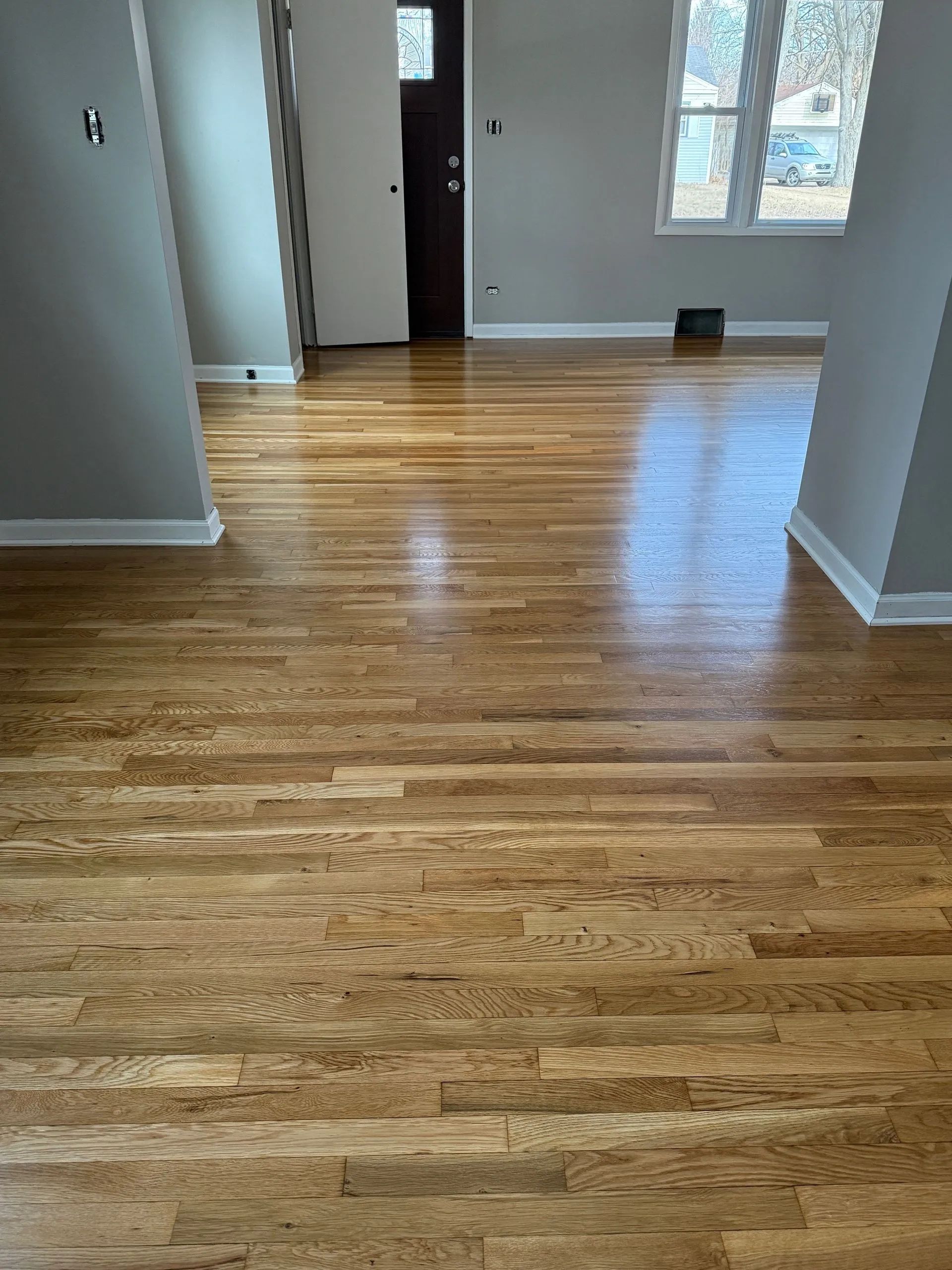
Natural sunlight is a powerful agent in altering the visual qualities of flooring. Hardwood, laminate, and vinyl flooring are particularly susceptible to color changes when exposed to direct sunlight over time. UV rays can break down the chemical structure of certain finishes, causing fading or yellowing. For instance, cherry and walnut hardwoods tend to darken under prolonged sun exposure, while lighter woods like maple and ash may become pale or washed out.
Room Orientation and Light Patterns
The direction your room faces plays a significant role in floor aging. South- and west-facing rooms receive intense afternoon sun, accelerating color changes, whereas north-facing areas maintain more consistent tones. By analyzing sunlight patterns during different times of the day, you can anticipate potential effects and take preventive measures, such as UV-resistant window films, strategically placed area rugs, or drapery that moderates light intensity.
Balancing Natural Light with Aesthetics
While sunlight can enhance warmth and depth in flooring, overexposure may lead to inconsistent coloration across your room. Balancing light with design considerations ensures that your floors age gracefully. For example, alternating furniture placement or using translucent window treatments can help diffuse harsh light, preserving your flooring’s natural beauty and minimizing uneven fading.
2. Artificial Lighting and Its Influence on Color Perception
Warm vs. Cool Light
Artificial lighting dramatically impacts how flooring colors appear. Incandescent or warm LED bulbs bring out reds, oranges, and yellows, which can enhance the richness of traditional hardwoods. On the other hand, cool white or daylight LED lights highlight blues and grays, giving modern or neutral-toned floors a crisp, contemporary feel. Misalignment between light temperature and floor color can create unexpected contrasts or dullness, affecting overall room harmony.
Lighting Placement and Shadow Effects
The placement and intensity of artificial light sources also matter. Overhead lighting can evenly illuminate a floor, whereas wall-mounted or accent lighting produces shadows that emphasize texture and grain patterns. In open-plan spaces, strategic lighting placement can either accentuate design features or inadvertently exaggerate minor imperfections. Understanding these dynamics allows for a lighting plan that enhances the floor’s natural qualities rather than diminishing them.
Integrating Multiple Lighting Sources
Many homes utilize a combination of natural and artificial light throughout the day. Layering different light sources—ambient, task, and accent lighting—can help maintain consistent flooring appearance despite changing conditions. For instance, pairing dimmable ceiling fixtures with indirect wall lighting allows for control over intensity and minimizes harsh glare, ensuring the floor’s true color and texture are preserved over time.
3. The Impact of Color Choices on Flooring Longevity
Choosing Complementary Colors
Colors in surrounding walls, furniture, and décor can significantly influence how flooring is perceived. Dark flooring paired with lighter walls can create contrast and visual depth, but it also highlights dust, scratches, or fading more prominently. Conversely, mid-toned floors in coordination with similar wall hues offer a more forgiving visual effect, masking minor wear and color shifts over time.
Color Fading vs. Patina
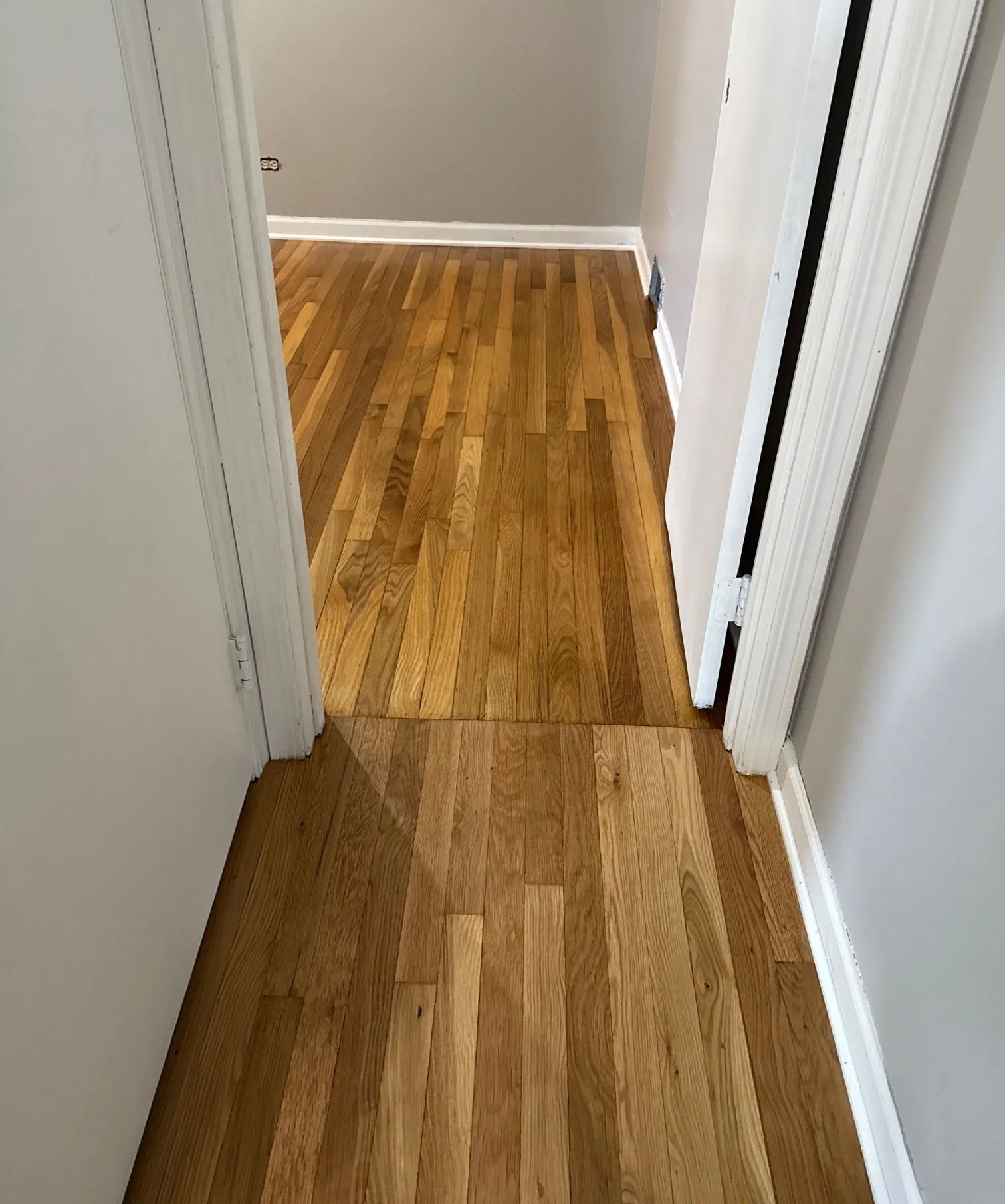
Some floors develop a patina over time, where subtle color shifts enhance character. For example, oak or pine floors often acquire a warm, golden hue with age, which many homeowners find desirable. However, excessive fading from poorly chosen color schemes or overexposure to bright elements can make floors look worn or dull. Selecting floor colors that naturally complement light and décor patterns helps achieve long-term aesthetic appeal.
Maintaining Visual Balance
Integrating rugs, furniture, and wall accents can mitigate the visual impact of color changes. Rugs placed in sun-exposed areas protect flooring while also adding design interest. Similarly, periodically rotating furniture or repositioning rugs allows the floor to age evenly, preventing uneven discoloration that disrupts the room’s balance. Strategic color planning, both in flooring and the surrounding environment, preserves visual harmony over time.
4. Material-Specific Considerations
Hardwood Floors
Hardwoods respond uniquely to light and color conditions. Species like Brazilian cherry darken significantly under sunlight, while lighter woods like maple may bleach. The choice of finish also influences how quickly these changes occur. Polyurethane finishes offer strong protection against UV damage, whereas oil-based finishes allow subtle aging, enhancing the wood’s natural character.
Laminate and Engineered Flooring
Laminate and engineered floors use photographic layers to mimic wood or stone. While generally more resistant to fading than natural wood, these materials can still change tone over prolonged UV exposure. Selecting floors with UV-resistant coatings and maintaining consistent lighting conditions are essential for maintaining the intended appearance.
Vinyl and Tile Flooring
Vinyl and ceramic or porcelain tiles are among the most color-stable flooring types. However, colored grout or patterned designs may still be affected by light, especially if exposed to strong sunlight. Protective window treatments or UV-resistant coatings help maintain their original vibrancy, ensuring long-lasting appeal.
5. Preventive Measures and Maintenance Best Practices
Using UV Protection
Window films, blinds, and drapery provide effective barriers against UV rays. By limiting direct exposure, these measures prevent premature fading and uneven coloration, especially in rooms with large windows or skylights.
Regular Maintenance
Routine cleaning and proper care help preserve flooring integrity and appearance. Hardwood floors benefit from periodic refinishing or oiling, laminate floors should be cleaned with manufacturer-approved products, and vinyl or tile floors maintain color through gentle, consistent cleaning. Avoid harsh chemicals that can accelerate discoloration or damage finishes.
Strategic Furniture Placement
Furniture placement is more than an aesthetic choice; it’s also a protective strategy. By rotating area rugs and moving furniture occasionally, you allow light to interact evenly across the floor. This reduces the risk of patchy fading and extends the visual life of the flooring.
Choosing Quality Finishes
High-quality finishes are designed to resist both UV damage and daily wear. Investing in superior coatings and sealants pays off over time by maintaining color depth, reducing scratches, and preventing premature aging. For example, water-based polyurethanes maintain clarity without yellowing, making them ideal for lighter-toned floors.
6. Real-World Scenarios and Expert Insights
Residential Applications
In homes, floor appearance often changes depending on the activity in each room. Living rooms and sunrooms with large windows are more prone to sunlight-induced fading, while bedrooms with consistent artificial lighting show less variation. Designers often recommend using mid-tone or naturally stable wood species in high-sunlight areas, complemented by UV-protective window treatments.
Commercial Environments
Commercial flooring faces different challenges, as high foot traffic interacts with light exposure. Retail spaces, offices, and restaurants require durable materials that maintain consistent color. Experts often choose engineered hardwoods or luxury vinyl planks with UV-resistant finishes for their ability to endure both daily wear and varying light conditions, ensuring a professional, uniform appearance over time.
Expert Recommendations
Flooring specialists emphasize that early planning prevents future issues. Considering room orientation, light exposure, material selection, and surrounding color schemes during installation significantly reduces unexpected fading or discoloration. They also advise periodic inspections to identify areas of uneven wear or light exposure, allowing corrective measures like refinishing or rearranging furniture before damage becomes permanent.
Trusted Expertise Ensuring Your Floors Look Their Best
The visual impact of your flooring evolves over time, influenced by the interplay of light, color, material, and maintenance practices. Understanding how natural sunlight, artificial lighting, and surrounding color schemes affect floor appearance empowers homeowners and designers to make informed decisions. From material selection to protective strategies, thoughtful planning ensures that your floors retain their beauty and functional value for years to come. Adopting preventative measures, such as UV protection, high-quality finishes, and strategic furniture placement, helps maintain color consistency while enhancing durability.
At Ada Hardwood Flooring Inc.., we combine over several
years of experience with a commitment to quality and customer satisfaction. Based in Aurora, CO, our team specializes in helping clients select,
install, and maintain flooring that adapts gracefully to light and color conditions. Whether it’s hardwood, engineered wood, or other premium surfaces, we provide expert guidance, professional installation, and maintenance solutions tailored to each space. Partnering with us ensures that your floors remain a lasting centerpiece of your home or business, reflecting both style and enduring value.