How to Choose the Right Finish for Your Hardwood Floors?
Selecting the right finish for hardwood floors is more than a matter of aesthetics—it is a critical decision that affects the longevity, durability, and maintenance of your floors. Hardwood is a significant investment, and the finish you choose not only enhances its natural beauty but also safeguards it from daily wear, moisture, and environmental stressors. With a wide range of finishes available, from traditional oils to advanced polyurethane coatings, homeowners and professionals alike need to understand the practical and visual implications of each option. Choosing incorrectly can lead to frequent repairs, fading, or irreversible damage, making informed decision-making essential.
The process begins with understanding your lifestyle, the room’s function, and the type of wood being installed. For instance, high-traffic areas like kitchens and hallways demand finishes that offer superior scratch and stain resistance, while living rooms and bedrooms might prioritize warmth, natural luster, or ease of repair. This blog explores the key considerations when selecting a
hardwood floor finish, including types of finishes, durability, maintenance requirements, and aesthetic effects. By the end, you will gain actionable insights and professional guidance to confidently select a finish that enhances your hardwood floors and supports long-term performance.
1. Understanding Hardwood Floor Finishes
Types of Finishes
Hardwood floor finishes can be broadly categorized into oil-based, water-based, and penetrating finishes.
- Oil-Based Finishes: Known for their deep, rich color and long-lasting durability, oil-based polyurethane finishes are highly resistant to wear and scratches. They tend to amber over time, adding warmth to the wood, which is ideal for traditional or rustic interiors. However, they require longer drying times and emit stronger odors during application.
- Water-Based Finishes: Water-based polyurethane is clear and maintains the wood’s natural color, making it suitable for modern designs. It dries quickly, has low VOC emissions, and is less prone to yellowing over time. While slightly less durable than oil-based options, advanced formulations offer excellent resistance to scratches and stains.
- Penetrating Finishes: Oils such as tung or linseed penetrate the wood fibers and harden internally. These finishes provide a natural look and feel, allowing the wood to age gracefully. The trade-off is higher maintenance, as they require periodic reapplication to maintain protection.
Key Considerations for Choosing a Finish
Consider factors such as household traffic, exposure to sunlight, moisture levels, and furniture movement. High-traffic areas may benefit from the protective qualities of oil-based polyurethane, while water-based finishes are ideal for spaces prioritizing natural color preservation and quick installation.
Understanding these categories and their performance characteristics is the foundation for a successful flooring project. By matching finish type with your specific needs, you ensure your hardwood floors retain their beauty while standing up to daily wear and tear.
2. Evaluating Durability and Maintenance
Durability Requirements
Durability is a critical aspect of any hardwood floor finish. High-traffic zones like entryways, kitchens, and hallways require finishes with excellent resistance to scratches, scuffs, and stains. Oil-based polyurethane finishes excel in these areas, offering a hard, protective coating that withstands heavy foot traffic and furniture movement. Water-based finishes, although slightly softer, have improved significantly and now provide comparable durability for most residential applications.
Consider penetrating oil finishes for lower-traffic areas where a natural, hand-rubbed look is desired. While these finishes absorb minor scratches and dents better, they lack the surface protection of polyurethane, making them less suitable for homes with pets or children who may contribute to wear.
Maintenance Considerations
Maintenance needs vary significantly across finishes. Oil-based poly requires minimal cleaning and occasional polishing to maintain luster, while water-based finishes are easy to clean with damp mopping and non-abrasive cleaners. Penetrating oil finishes need routine oiling or buffing, often every few years, to retain their protective properties.
Real-world example: A busy family with kids and pets might choose a high-durability oil-based polyurethane to minimize scratches and stains, whereas a professional office or formal living room may prioritize a water-based finish for quick drying and low VOC exposure, maintaining a bright, modern aesthetic with minimal disruption.
Understanding the balance between durability and maintenance is key to selecting a finish that aligns with your lifestyle and flooring investment. The right choice reduces long-term costs while preserving the floor’s appearance.
3. Aesthetic Considerations and Wood Species
How Finish Affects Appearance
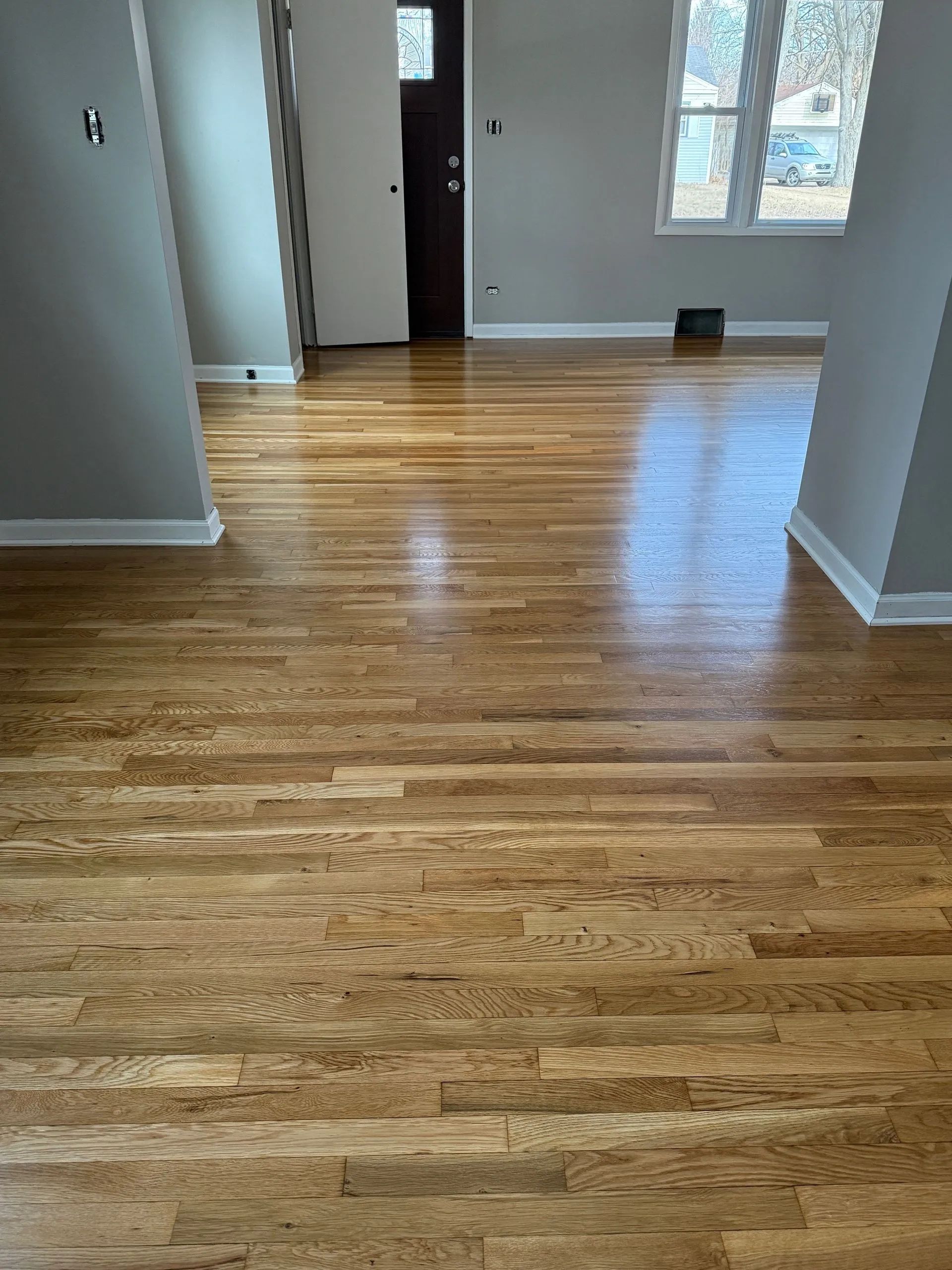
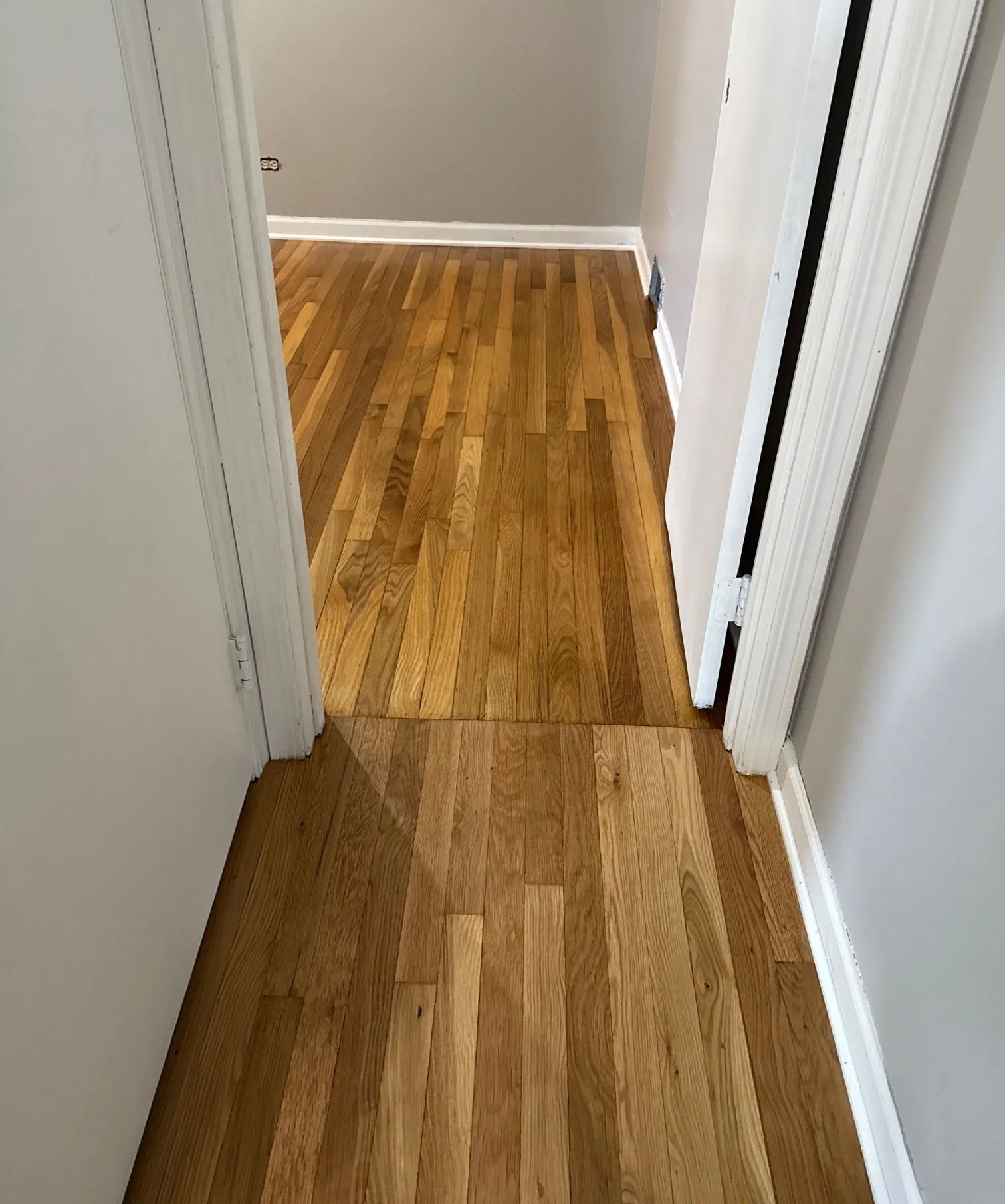
The finish significantly influences the visual character of hardwood floors. Oil-based finishes create a warm, amber tone that deepens over time, enhancing the wood’s natural grain. Water-based finishes maintain the wood’s original color and offer a clear, transparent sheen that suits contemporary or minimalist interiors. Penetrating oils provide a subtle, matte effect that highlights natural textures without adding a glossy layer.
Matching Finish to Wood Species
Different wood species react differently to finishes. For example, oak and hickory are dense and respond well to oil-based polyurethane, accentuating grain patterns. Softer woods like pine may benefit from penetrating oils, which enhance color without emphasizing minor dents or scratches. Exotic hardwoods such as mahogany or Brazilian cherry often pair well with water-based finishes that preserve their rich, natural tones.
Sheen Levels
Beyond color, sheen level affects visual impact and maintenance:
- Matte or Satin: Hides scratches and dust, creating a subtle, sophisticated look.
- Semi-Gloss: Offers a balance between reflection and concealment, suitable for most living spaces.
- High-Gloss: Dramatic and reflective, ideal for formal areas but requires more frequent cleaning to maintain shine.
Expert tip: For high-traffic family rooms or kitchens, matte or satin finishes are practical, while bedrooms or dining rooms can benefit from semi-gloss or high-gloss to emphasize elegance.
Considering both the wood species and aesthetic goals ensures your hardwood floors complement your design vision while remaining functional and resilient over time.
4. Environmental and Health Factors
VOC Levels and Indoor Air Quality
Volatile Organic Compounds (VOCs) are chemicals released during the curing of some finishes, affecting indoor air quality. Oil-based polyurethanes typically emit higher VOCs than water-based options, which are formulated to meet low-VOC standards. Choosing low-VOC finishes is especially important for homes with children, pets, or occupants with respiratory sensitivities.
Environmental Considerations
Sustainability is increasingly influencing finish selection. Water-based finishes are often eco-friendly, require less energy to produce, and release fewer pollutants. Penetrating oils from natural sources (like tung or linseed) provide biodegradable options with minimal environmental impact, although they require more frequent maintenance.
Application Safety
Proper ventilation during application is crucial regardless of finish type. Oil-based finishes demand extended drying times and respirators due to strong fumes, whereas water-based finishes dry quickly and can be applied with fewer health precautions. For DIY projects, water-based polyurethane often represents a safer, more manageable option.
Choosing a finish with low environmental and health impact ensures both the home and the occupants remain safe, while contributing to broader sustainability goals.
5. Professional vs. DIY Application
Complexity of Application
The chosen finish often dictates the level of expertise required for proper installation. Oil-based polyurethane, while highly durable, demands precise application techniques and extended drying times. Incorrect application can result in streaks, bubbles, or uneven coverage. Water-based finishes are more forgiving and dry faster, making them accessible for skilled DIY enthusiasts. Penetrating oils require meticulous preparation and repeated applications to achieve uniform protection.
Real-World Scenarios
A homeowner seeking a flawless, long-lasting finish for a large open-concept living area may hire professionals to apply oil-based polyurethane, ensuring even coverage, proper sanding, and optimal curing. Conversely, a smaller bedroom floor might be suitable for a DIY water-based polyurethane, leveraging its quick-dry formula for minimal disruption.
Cost and Time Considerations
Professional installation increases upfront costs but reduces long-term maintenance risks and potential errors. DIY application can save money but may require additional effort, especially when multiple coats, sanding, or reapplication are needed. A clear understanding of your skill level, time availability, and desired results helps determine whether professional installation is the better choice.
Expert insight: Hiring professionals for high-traffic or large areas often maximizes durability and ensures the finish performs as intended, protecting the investment in your hardwood floors.
Reliable Hardwood Flooring Services with Proven Expertise
Choosing the right finish for hardwood floors is a decision that blends practicality, aesthetics, and long-term planning. Understanding the differences between oil-based, water-based, and penetrating finishes helps homeowners select a solution tailored to their lifestyle, room function, and design preferences. Durability and maintenance requirements should be carefully weighed, as high-traffic areas demand tougher finishes, while spaces prioritizing natural wood appearance can benefit from softer, more subtle options. Aesthetic considerations, including wood species compatibility and sheen levels, further influence the final look and ambiance of the home.
At Ada Hardwood Flooring Inc., located in Aurora, CO, we bring over several
years of expertise to every flooring project, guiding clients through the process of selecting and applying the ideal finish for their hardwood floors. Our team combines technical knowledge, hands-on experience, and a commitment to quality craftsmanship to ensure that every installation not only looks exceptional but also stands the test of time. Whether advising on the best finish for a high-traffic family home or applying durable coatings for commercial spaces, we tailor our services to meet unique client needs. By choosing Ada Hardwood Flooring Inc., you are partnering with a trusted, experienced flooring authority dedicated to enhancing the beauty, functionality, and longevity of your hardwood floors. Our goal is to provide solutions that bring confidence, satisfaction, and lasting value, ensuring that your investment in hardwood flooring delivers both immediate appeal and enduring performance.